
Why are thousands of cosmetic surgery practices across the country turning to digital marketing agencies for help scaling their business?
Paid search costs keep rising, and patients are doing more research than ever before on procedures online before picking up the phone. In order to make sure your advertising budget is going towards the right areas and not being wasted, it’s more important than ever to have your advertising in capable and experienced hands.
Growth comes from a plan that helps patients find you, trust you, and book. This post walks through the three parts of that plan that digital marketing agencies shine in and the benefits of hiring an agency like Cosmetic Surgery Marketers to help with them.
Search Engine Optimization and The Benefits of Building an Organic Growth Engine
When a patient wants a facelift or a tummy tuck, they start the hunt for a doctor with a Google or Chat-GPT search. Search engine optimization builds an organic growth engine that keeps bringing in those patients without you needing to pay for every PPC click. Here is why it matters, how AI is changing searcher behavior drastically, and why most practices get better results by handing off optimization of their content to an agency.
Why SEO Matters for Cosmetic Surgery Practices
SEO has changed a lot over the years but the basic premise is the same. Patients ask Google questions in a similar way to how they would ask questions during a consultation. Things like “rhinoplasty healing stages” “how safe is liposuction.” If your site answers those questions, it becomes much easier to rank for more valuable keywords like “best liposuction doctors near me.”
Unlike paid ads, organic rankings keep working after the work is done. A well built procedures page can bring in consultation requests month after month. SEO also gives you a lead source you own, that belongs to your website. So your growth does not depend on ad costs that keep climbing.
AI SEO: Getting Found in AI Generated Answers
Patients no longer search only on Google’s results page. They also ask AI tools like ChatGPT and Google’s AI Overviews, and those tools pull answers from sources they trust. Optimizing for this is often called AEO, or answer engine optimization.
The practical steps are procedure pages built around real patient questions, FAQ content, and schema markup that helps search tools understand your services. All of it should be written without outcome promises or medical claims, which keeps it compliant as well as useful.
Google Business Profile: Your First Impression in Local Search
For “near me” searches, your Google Business Profile is often the first thing a patient sees, at the top of the search results page. Photos, regular posts, and review responses all help build trust and give patients reasons to click through to your site.
Accurate listings across Google Maps and Apple Maps matter too. Small mistakes in your address, hours, or phone number can cost you calls from patients who were ready to book. AI chatbots like Chat-GPT are also looking across the internet to see how consistent the messaging about your website is before recommending you.
Why Hire an Agency to Handle SEO
You could try to do all of this in-house, but SEO is rarely a side task. It combines technical site work, content writing, local listings, reviews, tracking, and constant updates as search tools change. Most practice teams already have full days running consultations and procedures.
An agency brings a team instead of a single hire. At Cosmetic Surgery Marketers, that means SEO analysts, content specialists, and web developers working on your account. A cosmetic surgery specialist also understands how to look into their Google Search Console or analytics to find clues on how patients search, what they worry about, and what compliance limits apply to your content.
Getting Value from Paid Advertising: Google and Meta Ads
Organic growth takes time to build. Paid advertising fills the gap by putting your practice in front of patients right away, and it shows you exactly what each dollar produces. Here is how Google and Meta Ads work for cosmetic surgery practices, and why the setup matters more than the budget.
Google Ads: Reach Patients Who Are Searching Right Now
Google Ads, a form of Pay Per Click advertising, puts your practice at the top of the results when someone searches for a procedure. A patient typing “mini facelift surgeon near me” is already researching and close to choosing a provider. You pay only when they click your listing, but then you need to make sure your landing page is set up to increase the chance of you getting that final conversion.
Keyword costs in cosmetic surgery keep rising, so wasted clicks add up fast. That is why campaign structure matters. For one Michigan cosmetic surgery practice we have worked with since 2014, we ran a search campaign alongside a Performance Max campaign. The search campaign showed Google what kinds of users to look for, and Performance Max used that data to reach similar people in the practice’s service area. Over three months, the campaigns produced 72 conversions at $23.28 each.
Meta Ads: Build Awareness on Facebook and Instagram
Meta ads reach patients earlier in their decision, before they start searching for a specific surgeon. On Facebook and Instagram, you can target people by location, age, interests, and behavior. You can also retarget past website visitors, so a patient who read about a procedure last week sees your practice again.
Creative matters here. Short videos, surgeon Q&As, and patient stories help people get to know your practice. Any before and after content or testimonials need written patient consent, must follow Meta’s advertising policies, and should never promise or imply a specific result.
Why Hire an Agency to Manage Google and Meta Ads
Running these platforms well is a daily job. Optimal bidding strategies change with every update, new campaign types launch, and ad policies change. Healthcare and cosmetic ads face extra review, so one wrong word or image can get an ad rejected or an account restricted. An in-house practice based team that is busy with patients rarely has time to watch for that.
An agency also protects your budget. Our ad management includes competitive analysis, keyword research, invalid click protection, and conversion tracking. It also includes a tracking phone number for every campaign, so you can see which ads lead to real calls instead of guessing. Every package comes with reporting dashboards and monthly strategy meetings.
Lead Your Community with Social Media
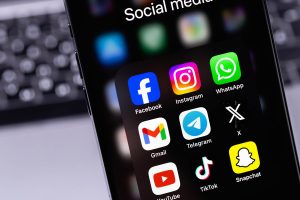
Social media is where many patients first meet your practice, long before they book a consultation. A steady presence builds trust, shows your work, and keeps you top of mind until a patient is ready to act. Facebook and Instagram do the most for cosmetic surgery practices, so we will start there.
Instagram: Show Your Practice Before Patients Walk In
Instagram is where patients browse. They look at procedure walkthroughs, surgeon personality, office tours, and patient stories to decide whether your practice feels like the right fit. A cohesive, branded feed shows your style and professionalism before anyone picks up the phone.
Strong Instagram content for a practice usually includes short videos, surgeon Q&As, educational posts about common procedures, and team spotlights. Hashtags, geotags, and search friendly captions help local patients find you, and a clear link to your consultation page turns a casual follower into a lead.
Facebook: Build Local Credibility
Facebook remains one of the best platforms for promoting a local office. Most of your patients live within driving distance, and Facebook lets you reach them by location, age, and interests. A complete business page with service information, regular posts, FAQs, and patient highlights gives people a place to check you out and ask questions.
Facebook also supports community building. When followers comment, ask questions, and see you respond, they get a sense of how your team treats patients. That kind of word of mouth is still one of the most powerful sources of new patients in cosmetic medicine. Posts also pair well with paid Meta ads, since your organic page gives retargeted visitors something to explore.
Why Hire an Agency to Run Your Social Media
Good social media is a steady, weekly commitment. It takes planning, photography and video, writing, scheduling, community replies, and reporting. When practice staff try to squeeze that in between patients, posts quickly become sporadic, and an inactive page can leave a worse impression than no page at all.
An agency gives you a consistent content calendar and a team that handles the work, from graphics and copy to strategy. We also understand cosmetic surgery specifically, including what patients want to know and where compliance lines sit, so your content educates without crossing them. Reports show follower growth, engagement, and content performance, so you can see what is connecting with your audience.
Frequently Asked Questions
How much should an independent practice spend on cosmetic surgery marketing?
The right budget depends on your market, your procedure mix, and how many new patients you want each month. Practices in crowded metro areas usually need more budget to compete for the same keywords. Start with a goal for booked procedures, then work backward to the leads and ad spend needed to reach it.
At Cosmetic Surgery Marketers, we build the plan around your numbers. SEO starts at $2,500 a month, and digital advertising starts at $650 a month plus 5% of media spend, on a month to month term with no long term contract.
How long does it take to see results from SEO?
SEO is a long game. Google says results from search optimization can take months to show, and timing varies by site and competition.
Paid ads can fill the gap while organic rankings build. We usually pair the two, then use call tracking and a lead dashboard to show which pages, keywords, and ads bring in new consultations.
Can we use before and after photos and patient testimonials in marketing?
Often yes, but only with proper written patient consent and care for privacy. Rules vary by state, platform, and medical board, so check with your compliance advisor or attorney before publishing.
We build before and after galleries and testimonial content with those rules in mind, and we never promise or imply specific results for a procedure.

About Bob Ottaway
Bob Ottaway, is President and Founder of Ottaway Digital, the parent company of Cosmetic Surgery Marketers. Established in 1999, it has been a pioneer in SEO, digital advertising & social media since 2006.